Emergency: Recognize Mini Stroke Symptoms Immediately
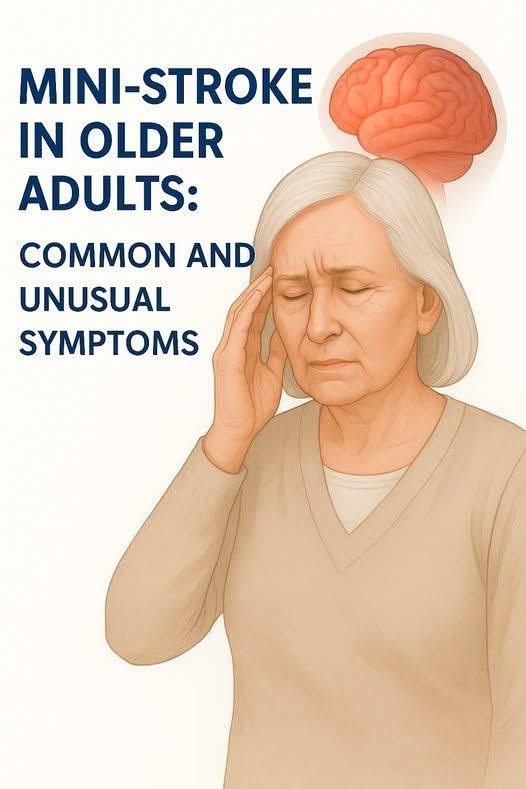
A transient ischemic attack (TIA), commonly called a mini stroke, signals a serious risk of a full stroke. For seniors, recognizing these events quickly can be lifesaving. Unlike full strokes, TIAs cause temporary symptoms that often resolve within minutes to hours, but they indicate underlying blood flow problems in the brain that require urgent medical evaluation.
Distinguish Mini Stroke from Other Conditions
When symptoms appear suddenly—such as weakness on one side of the body or difficulty speaking—it’s critical to act immediately. A simple self-test is to ask the person to smile, raise both arms, and repeat a short phrase. If the smile is uneven, one arm drifts downward, or speech is slurred or confused, these are strong indicators of a possible mini stroke demanding emergency care.
Check Your Medicine Cabinet
Some medications can affect blood pressure, clotting, or interact with conditions that raise stroke risk. Seniors should review their prescriptions with their healthcare provider regularly to manage hypertension, diabetes, or cholesterol—key risk factors for TIAs and strokes. Controlling these factors can reduce the chances of a mini stroke evolving into a major event.
Cost and Consequences of Delayed Care
Stroke treatment can be costly, with acute hospital stays averaging several thousand dollars depending on interventions needed. Early detection of a TIA allows for preventive therapies that are far less expensive and reduce long-term disability. Ignoring symptoms can lead to permanent brain damage, rehabilitation costs, or even fatal outcomes.
Here are the 5 critical health signals of a mini stroke in seniors. Number 3 is the one most people overlook — yet it carries important clues about brain function.