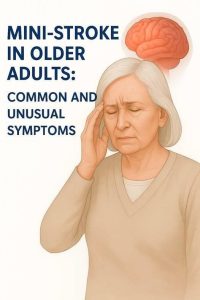
If you or a loved one experience sudden confusion, severe memory loss, or disorientation, seek immediate medical attention.
The Hidden Link Between Common Medications and Dementia Risk
<pMany adults are unaware that some widely used medications can significantly increase the risk of developing dementia or accelerate cognitive decline. Identifying whether your current prescriptions contribute to memory problems is a crucial step in protecting your brain health.
Why Medication-Induced Cognitive Decline Matters
Memory loss is often mistakenly accepted as an unavoidable part of aging, yet research increasingly shows that certain drugs play a direct role in impairing cognition. This means that some forms of dementia-like symptoms might be preventable or partially reversible by reviewing medication regimens with healthcare providers.
Start by Asking: Could My Medication Be Affecting My Memory?
Not all drugs have the same impact on brain function. Some types interfere with neurotransmitters critical for memory and learning, while others disrupt nutrient absorption essential for neuronal health. Understanding this distinction empowers you to have informed discussions with your doctor about alternatives or dosage adjustments.
Check Your Medicine Cabinet: A First Step to Protect Brain Health
Many people routinely take over-the-counter or prescription medications without realizing their long-term effects on cognition. For example, drugs designed to reduce stomach acid, ease anxiety, or relieve allergies may carry hidden risks when used for extended periods. If you take medications regularly, especially for months or years, it’s vital to review their safety profile related to dementia risk with your healthcare provider.
Prolonged use of some of these medications has been linked to an increased chance of developing dementia by as much as 50% in certain populations. Limiting use to the shortest effective duration and exploring non-drug approaches can reduce this risk significantly.
Costs related to dementia care can exceed tens of thousands of dollars annually, making prevention strategies that include medication review both a health and financial priority.
Here are the 8 drugs most commonly linked to serious dementia risk. Number 5 is the one that surprises patients and doctors alike — and it’s a medication prescribed for a common neurodevelopmental condition.